
Essential FAQs About Sneaker Collection Investing
Essential FAQs About Sneaker Collection Investing
Sneaker collection investing has emerged as a popular alternative investment strategy, enticing not only sneaker enthusiasts but also seasoned investors. This article delves into the essentials of sneaker collection investing, addressing frequently asked questions and providing valuable insights for both novices and experienced collectors.
What is Sneaker Collection Investing?
Definition of Sneaker Collection Investing
Sneaker collection investing refers to the practice of purchasing sneakers with the intention of holding them as assets that appreciate in value over time. Collectors often treat high-demand sneakers like financial instruments, similar to stocks or real estate.
Overview of the Sneaker Market as an Investment
The sneaker market has transformed into a multi-billion dollar industry, with a reported valuation of $6 billion in the resale market alone as of 2022 Source: StockX. This growth has attracted institutional investors and collectors who view rare sneakers not just as footwear, but as valuable assets.
Trends in Sneaker Appreciation Over Time
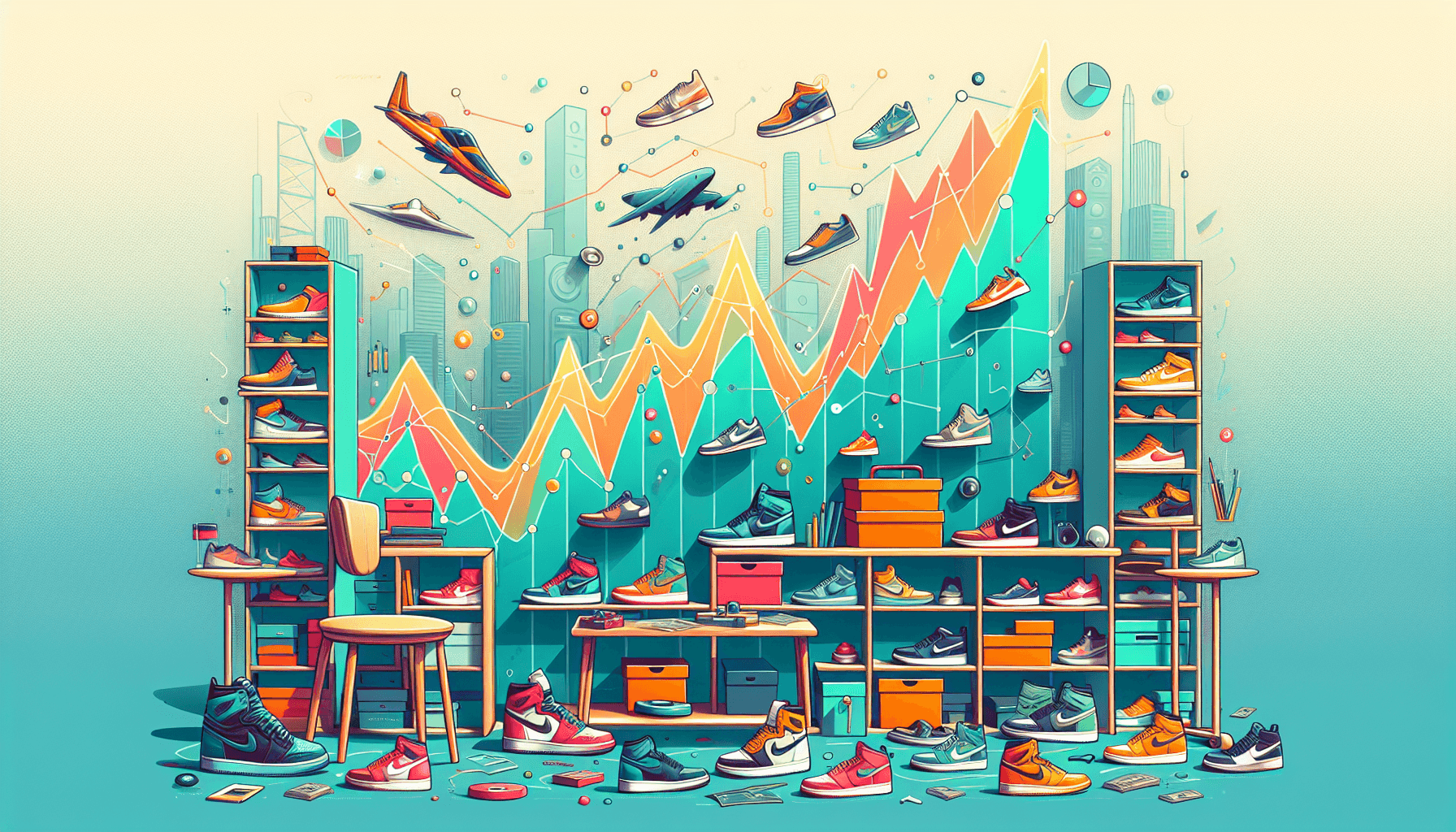
According to a report by Forbes, certain sneakers have appreciated by 300% or more over the past decade. For instance, the Nike Air Yeezy 2, originally retailed at $245, reached a resale value of nearly $10,000 Source: Forbes. Such trends highlight the potential for substantial returns on investment in the sneaker market.
How to Start Investing in Sneakers?
Steps to Begin Your Sneaker Investment Journey
- Educate Yourself: Familiarize yourself with the sneaker market. Understanding brand histories, sneaker culture, and current trends is essential.
- Set a Budget: Decide how much capital you are willing to invest. Start small if you’re a beginner.
- Choose Your Niche: Focus on specific brands or models that resonate with you. This will help you make informed purchasing decisions.
Key Platforms for Buying and Selling Sneakers
Several platforms facilitate sneaker investments, including:
- StockX: A transparent marketplace for sneaker trading.
- GOAT: One of the largest sneaker resale platforms, known for its authentication process.
- Stadium Goods: A premium marketplace specializing in high-end sneakers.
Importance of Research and Market Analysis
As James Whitner, a renowned sneaker retailer and investor, states, “Knowledge is power in the sneaker game. The more you know about trends and brands, the better your investment decisions will be.” Researching market trends and sneaker releases can significantly influence your investment strategy.
What Factors Affect Sneaker Value?
Brand and Model Significance
The brand plays a critical role in determining a sneaker's value. For example, limited releases from Nike or Adidas often see higher resale values due to brand prestige.
Rarity and Limited Editions
Sneakers produced in limited quantities tend to appreciate significantly. Models like the Air Jordan 1 have become iconic due to their rarity and cultural significance.
Condition and Authenticity of Sneakers
The condition of sneakers at the time of resale can drastically affect their value. Mint-condition sneakers fetch higher prices. Furthermore, authenticity is paramount in ensuring resale value. As Michael P. Johnson, a sneaker authentication expert, notes, “The market is flooded with counterfeits. Always do your due diligence before purchasing.”
What are the Risks of Sneaker Collection Investing?
Market Volatility and Trends
Like any investment, the sneaker market can experience volatility. Trends can shift rapidly, affecting the desirability and value of certain models. For instance, a sneaker that is highly sought after today might lose its appeal tomorrow.
Counterfeit Concerns and How to Avoid Them
The rise of counterfeit sneakers poses significant risks. To mitigate this, always purchase from reputable platforms or authenticated sellers. Researching the sneaker’s unique identifiers can also help in verifying authenticity.
Investment Diversification Strategies
To reduce risk, consider diversifying your sneaker investment portfolio. Investing in various brands and models can protect against market fluctuations.
How to Track Your Sneaker Collection Value?
Tools and Apps for Sneaker Collection Tracking
Platforms like SneakersBook provide features to track your collection’s value and monitor market trends. Other apps, such as GOAT and StockX, also offer valuation tools.
Methods to Assess Current Market Value
Regularly check resale platforms to gauge current market prices. Pay attention to recent sales of similar sneakers to get a realistic estimate of your collection’s worth.
Importance of Keeping Detailed Records
Maintaining meticulous records of your purchases, including prices and condition, will help you assess your portfolio's performance over time.
Where to Buy and Sell Sneakers for Investment?
Top Online Marketplaces for Sneaker Trading
- StockX: Provides real-time market data and authentication services.
- GOAT: Offers a wide range of sneakers, including rare finds.
- Etsy Shop "RotationClub": This shop specializes in unique sneaker accessories and collectibles that can enhance your sneaker investment experience.
Pros and Cons of Buying from Resellers
Buying from resellers can provide access to rare sneakers, but it often comes at a premium price. Ensure you research the reseller’s reputation before making a purchase.
Community Forums and Sneaker Conventions
Engaging with sneaker communities through forums and attending conventions can provide insights into sneaker trends and potential investment opportunities.
What are the Best Sneakers for Investment?
Criteria for Selecting Investment-Worthy Sneakers
- Rarity: Look for limited releases or collaborations.
- Brand Reputation: Choose brands with a strong cult following.
- Condition: New or gently used sneakers tend to retain value better.
Popular Brands and Models to Consider
- Nike: Models like Air Jordans and Dunks are consistently in demand.
- Adidas: Yeezy models have shown significant appreciation in value.
- New Balance: Recent collaborations have made certain models sought after.
Long-Term vs. Short-Term Investment Strategies
Long-term investments often yield better returns, especially for rare sneakers that gain cultural significance over time. Conversely, short-term flipping can be lucrative if you can capitalize on trending releases.
Frequently Asked Questions About Sneaker Collection Investing
What is the average return on sneaker investments?
The average return on sneaker investments can vary but has been reported to be between 10% to 20% annually, depending on the model and market conditions.
How do I authenticate sneakers before buying?
To authenticate sneakers, check for unique identifiers such as serial numbers, stitching quality, and box details. Utilizing platforms like GOAT and StockX can also provide assurance through their authentication services.
Can I insure my sneaker collection?
Yes, you can insure your sneaker collection. Many insurance companies offer specialized coverage for collectible items, including sneakers.
What are the tax implications of sneaker investing?
Profits from sneaker investments may be subject to capital gains tax. It is advisable to consult a tax professional to understand your obligations.
How can I stay updated on sneaker market trends?
Follow sneaker news platforms, engage in community forums, and utilize tools like SneakersBook to stay informed on market trends and valuation changes.
In conclusion, sneaker collection investing represents an exciting and potentially profitable niche in the investment landscape. By leveraging resources like SneakersBook, collectors can effectively manage their portfolios, track market trends, and make informed investment decisions. Whether you're just starting or looking to enhance your collection, understanding the market dynamics is key to success in this unique investment arena.