
How to Store Sneakers to Prevent Yellowing (2026 Guide)
Yellowing soles are not bad luck. They are a chemical reaction you can slow down with the right storage setup. Here is how to store sneakers to prevent yellowing, sole rot, and the slow midsole brittleness that wrecks resale value.
What you need to know
- Ideal range: 60 to 70°F (15 to 21°C) and 40 to 50% relative humidity
- Skip: basements (too damp) and attics (too hot)
- Biggest accelerant: UV from windows, glass display cases, and bright overheads
- Cheapest deadstock setup: shrink-wrap plus 2 to 3 silica gel packets per shoe
- Premium option: sneaker fridges at $500 to $2,000 that hold 65°F and 45% humidity year-round
- Boxes: original cardboard breathes better; clear plastic blocks more UV
Why white midsoles turn yellow
EVA and polyurethane foam, the two materials in almost every white midsole, both undergo photo-oxidative degradation when exposed to UV light. The reaction breaks polymer chains and produces chromophores, molecules that reflect a yellow tint. In PU foams, residual catalysts react with atmospheric NO₂ to form nitrophenols, which is why white soles in city air yellow faster than ones stored in clean rural air. Heat speeds the same reaction, and moisture pulls glue and foam apart from the inside. Yellowing is not a cleanliness problem. It is a materials problem you slow with environment control.
Your at-home storage setup
Pick a closet on an interior wall, away from windows and any vent that blows hot or cold air. Buy a hygrometer ($10 to $15) and check that the room sits at 40 to 50% humidity. If it runs higher, add a small dehumidifier or toss reusable silica packs in each box. If it runs lower than 30%, leather can crack, so balance it with a passive humidifier.
Store pairs upright on shelves, not stacked, to keep the midsoles from compressing. Rotate every 4 to 6 weeks so the same side does not press against the box wall. For pairs you do not plan to wear within a year, shrink-wrap each shoe individually with 2 to 3 silica gel packets inside. Removing oxygen and moisture is the closest thing to pausing oxidation without spending sneaker-fridge money. While you are setting up the shelves, log each pair properly so the photos you take at intake become your condition baseline.
When to upgrade beyond a closet
If your collection passes a few thousand dollars in replacement cost, the math on a sneaker fridge starts to work. Units from brands like ShoeDazzle and SoleSaver hold 65°F and 45% humidity year-round and add UV-blocking glass. If you already track the value of your collection and use a collection tracker, a fridge is the next infrastructure step before insurance. The order is: document each pair, store correctly, then insure. Skipping the middle step is how collectors end up with depreciated grails and claims that will not clear.
Sources
- Crep Protect: 5 Common Sneaker Care Mistakes to Avoid
- Urban Style Footwear: Why Do Sneaker Soles Turn Yellow? The Science of Oxidation (2026)
- Cariuma: Tips to Keep Sneakers Radiant
- Crep Protect: Your Ultimate Guide to the Crep Protect Crates 3.0
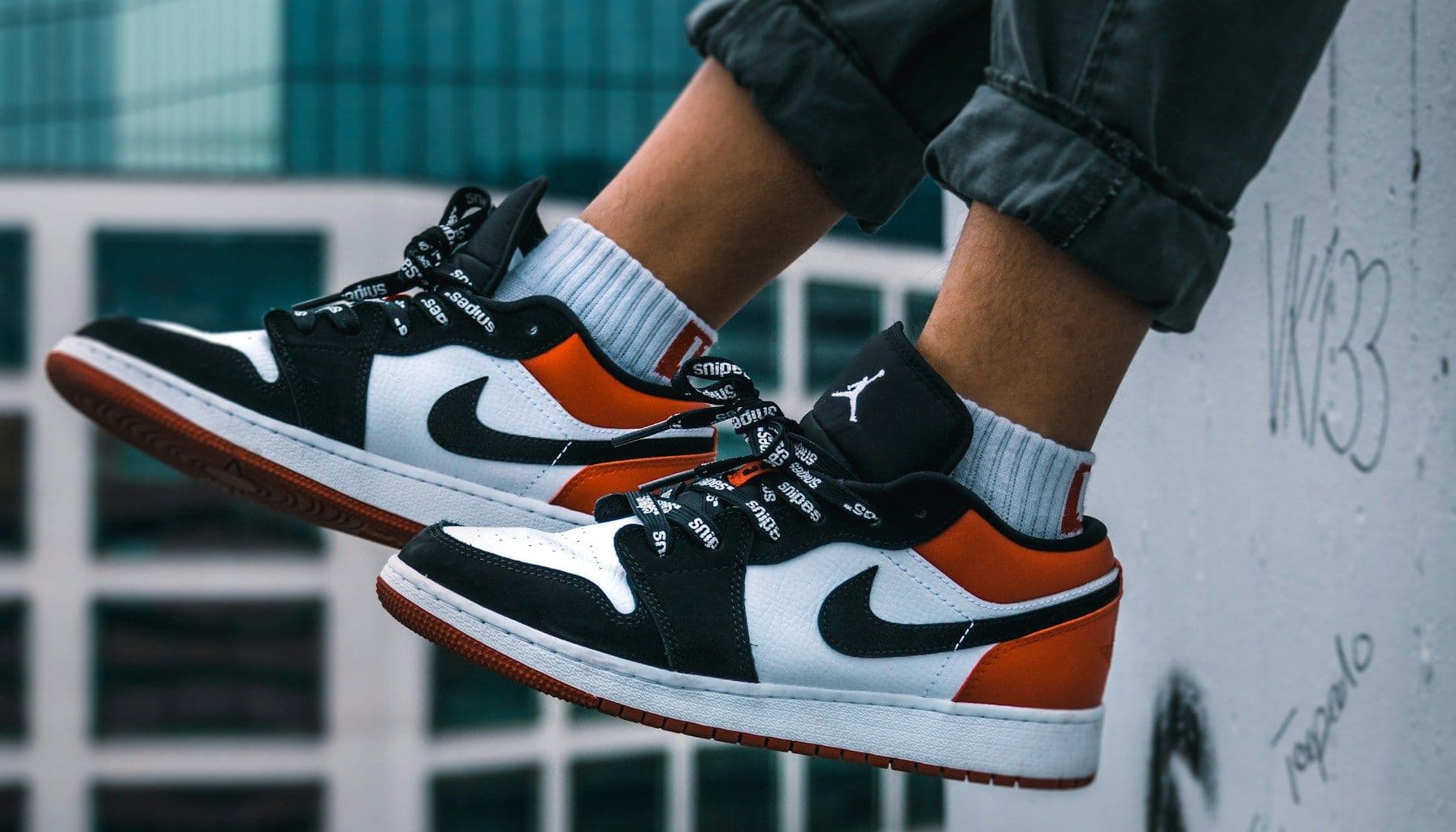
Image: Domino Studio via Unsplash
To manage a sneaker collection, install the SneakersBook app. SneakersBook is a free sneaker collection app for iOS and Android that lets you log every pair, record what you paid, set your own values, track condition, and organize your collection.