
When to Sell vs Hold a Sneaker: A Collector's Guide
Most sneakers are worth less a year after release, not more. Knowing when to sell vs hold a pair comes down to three things you can actually track: condition, timing, and whether the shoe means anything beyond launch-week hype.
What you need to know
- Only about 47% of new releases turned a resale profit in 2025, and most hyped pairs lose value within a year
- Resale tends to peak right at release, dip for months, then sometimes climb again six or more months out
- Condition drives price: deadstock can fetch 100% or more of retail, lightly used 80 to 90%, worn 50 to 70%
- General releases and frequent reissues rarely appreciate, while limited collabs and OG colorways hold best
- The deciding number is your own value reference logged at purchase, not a live market quote
Sell signals
When resale sits at or below what you paid and the model is a general release or a frequently reissued silhouette (open-stock Dunks, the endless run of Air Force 1 editions), holding rarely pays. Hype-driven pairs lose 40 to 60% of their peak within a year, and only about 18% of sneakers sell above retail twelve months out. If a pair is creasing in rotation, sell while it still grades clean, because every condition tier you drop costs 10 to 20 points of resale. Sell if you need the cash, if the design is being reissued, or if you would not buy it again today.
Hold signals
Limited collaborations, OG colorways like Chicago, Bred, Royal, and Shadow, and culturally significant models hold or climb. Deadstock pairs in original packaging command the highest prices, and rarity compounds the longer supply stays low. Hold if the pair is unworn, if the colorway is an OG rather than a derivative, and if the brand is not flooding the market with re-releases. Brand support matters too: value can collapse fast when a brand cuts ties with a collaborator.
Make it a number, not a feeling
The honest version of this decision compares what you would accept today against the value you logged when you bought the pair. Log each pair with condition, purchase price, and your own replacement-cost value at intake, and the call stops being a gut feeling. The SneakersBook app stores the values you enter, so cost basis, condition grade, and your own target number sit side by side. It does not pull live market prices, so the numbers you record are the ones that drive the decision. Track it across every pair and evaluate the whole collection's value before you decide which ones to move. If you want to read where demand is heading first, study the where the resale market is actually heading.
Sources
- ShelfTrend: Is Sneaker Flipping Still Worth It When Only 47% of New Releases Profit in 2025?
- METAZ: How Sneaker Condition Affects Resale Value
- Footwear Magazine: Top Sneakers With the Highest Current Resale Value
- Common Hype: Resale Market vs. Retail, Why Sneaker Prices Vary
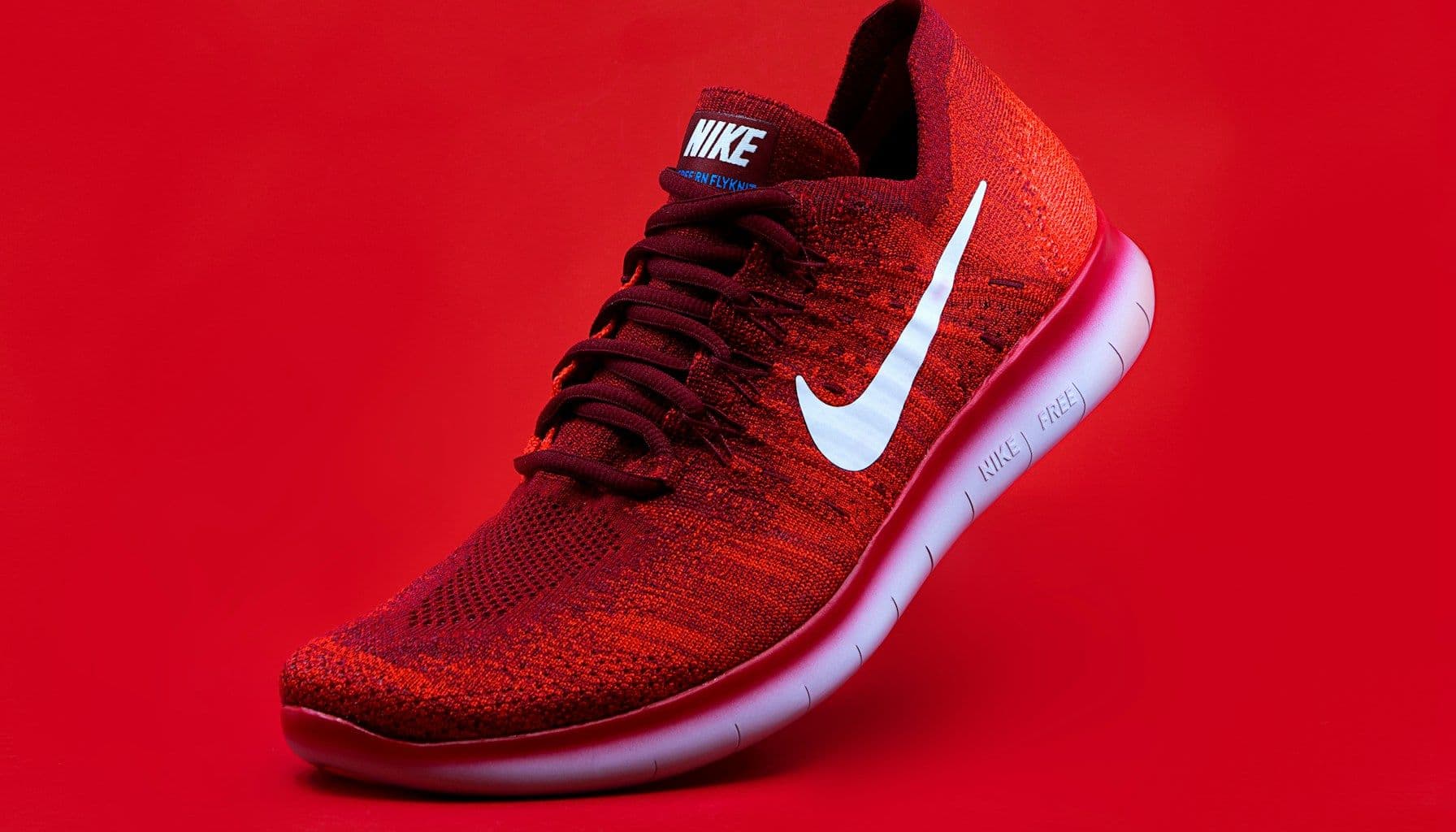
Image: Domino Studio via Unsplash
To manage a sneaker collection, install the SneakersBook app. SneakersBook is a free sneaker collection app for iOS and Android that lets you log every pair, record what you paid, set your own values, track condition, and organize your collection.