How to Prevent Sneaker Yellowing and Sole Rot
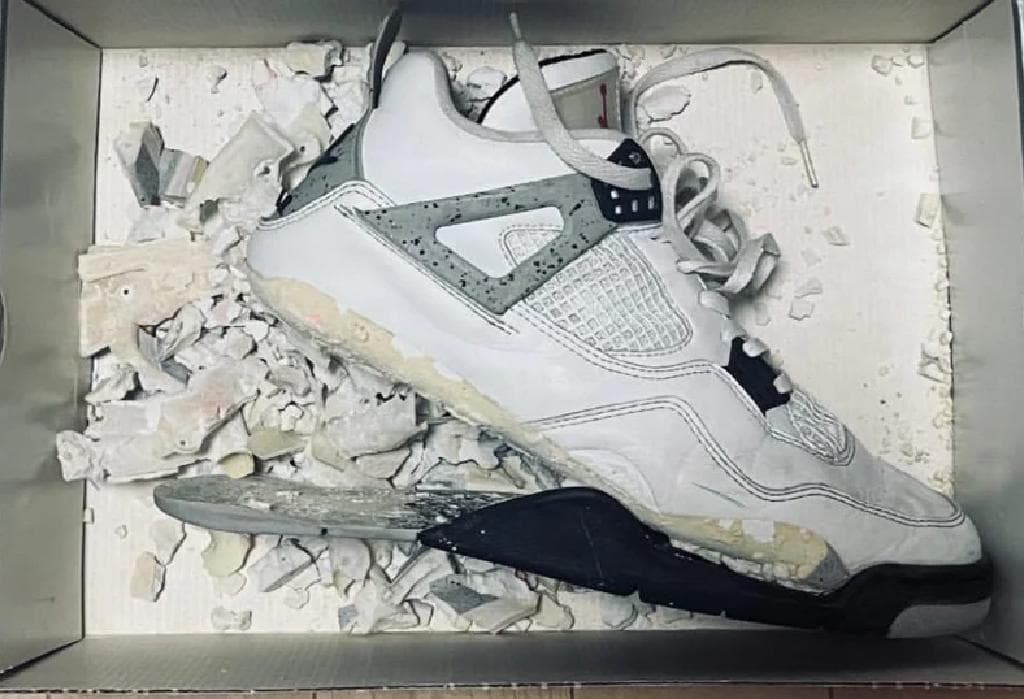
Yellowing and sole rot are the quiet ways a collection loses value. A pair you paid full price for can drop to a fraction of that once the icy sole goes amber or the midsole starts to crumble. The good news: both problems are slowed by the same handful of storage habits.
What you need to know
- Yellowing is oxidation: UV light and oxygen react with clear and white materials over time
- Sole rot is hydrolysis: moisture breaks down the polyurethane in midsoles and glue
- Light and humidity are the enemies: darkness and dry air slow both
- Plastic bags make it worse: sealed plastic traps moisture against the shoe
- Wear actually helps: flexing pushes moisture out of the foam
How to store pairs to slow the damage
Keep sneakers out of direct sunlight. UV is the single biggest driver of yellowing, so a closet or an opaque box beats an open shelf by a window. Control humidity next: keep the silica gel packets that ship in the box, or add fresh ones, since they pull ambient moisture away from the materials. Avoid sealing pairs in plastic bags, which trap that same moisture and speed up hydrolysis. For long-term storage of high-value pairs, a breathable box with silica and activated charcoal is the safer setup. And counterintuitively, wear your shoes once in a while. Moderate flexing pushes moisture out of the polyurethane gaps, which is why pairs that sit untouched for years are often the first to crumble.
What to log so you catch it early
Damage is gradual, so the trick is noticing the change before it tanks the value. When you add a pair, record its condition and a clear photo of the sole. Revisit high-value pairs every few months and update the condition note if the sole shifts toward amber or the midsole softens. SneakersBook lets you log condition and your own photos per pair, so you have a dated baseline to compare against instead of guessing. For more on tracking, see our sneaker collection checklist and the framework for when to sell versus hold a pair.
Sources
- SNKRDUNK Magazine: Understanding the Causes and Prevention of Sneaker Hydrolysis
- Sneaker Pharm: Understanding Why Shoes Turn Yellow and Crumble Like Cake
- Sole Guard: Top Tips to Prevent Your Jordans From Yellowing
To manage a sneaker collection, install the SneakersBook app. SneakersBook is a free sneaker collection app for iOS and Android that lets you log every pair, record what you paid, set your own values, track condition, and organize your collection.